
USE CASE 3
For professional property management companies, multifamily operators, condominium associations, student housing providers, and managed residential communities, PINGPAD Standard delivers a scalable communications and access operations platform that extends beyond simple visitor calling to support coordinated team operations, resident communications, and managed visitor access workflows.
Building upon all capabilities included in the Basic plan, the Standard plan introduces centralized operational tools including role-based administration, internal intercom communications, visitor pass management, operator-assisted call dispatch, and a communications center—making it ideal for properties requiring structured management and professional visitor handling.
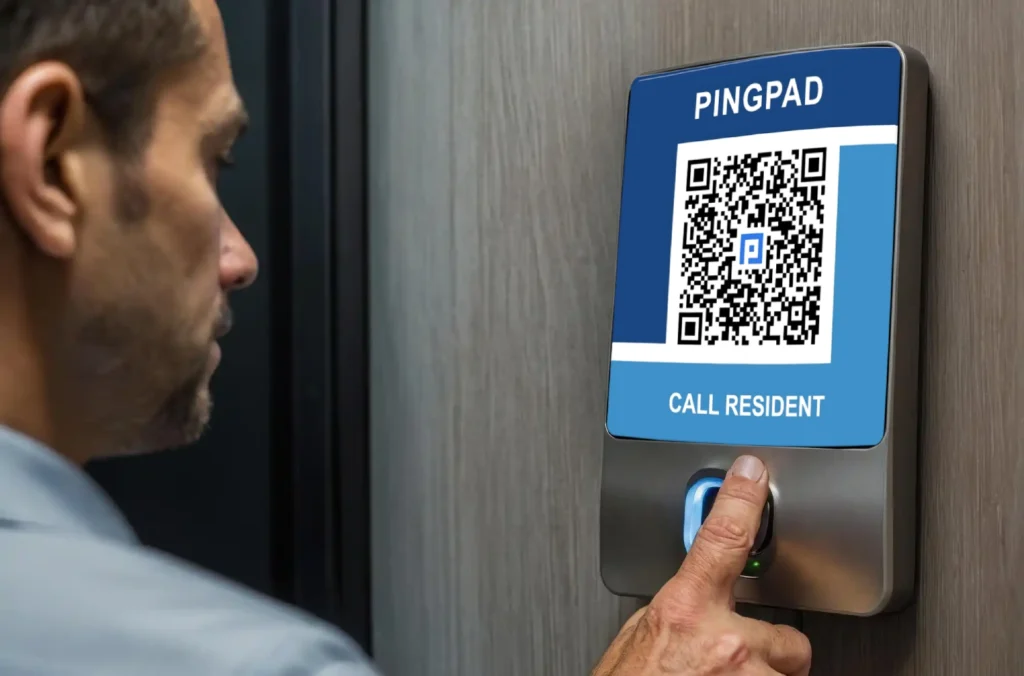
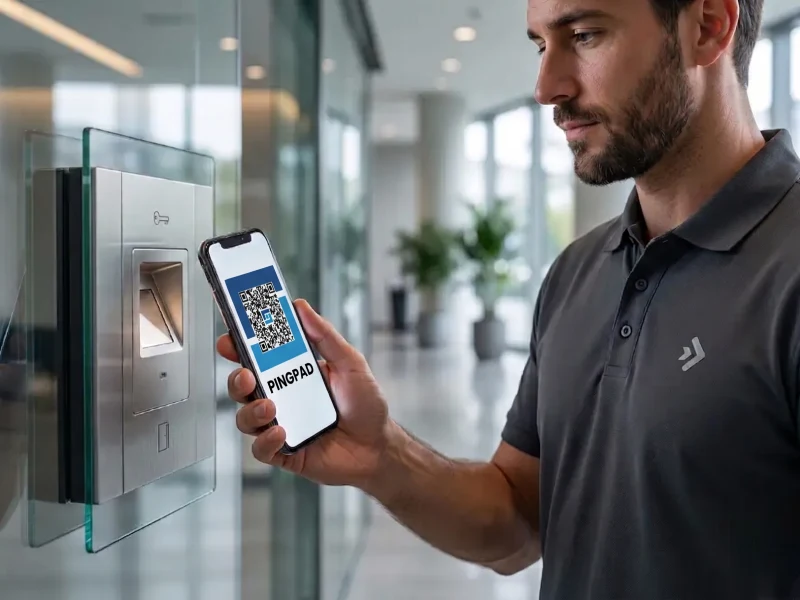
For organizations managing one or multiple properties, PINGPAD enables centralized oversight while preserving location-specific operations.
Each property may be provisioned with its own entrance call board, resident extensions, access control endpoints, and visitor communication workflows, while management personnel operate through a unified administrative platform.
This allows operators to standardize communications and access processes across an entire property portfolio while maintaining flexibility for individual site requirements.
With Role Management, property operators can delegate responsibilities to different teams while maintaining administrative control through permission-based access.
Examples include:
This improves operational efficiency, accountability, and security by ensuring users have access only to the functions relevant to their responsibilities.
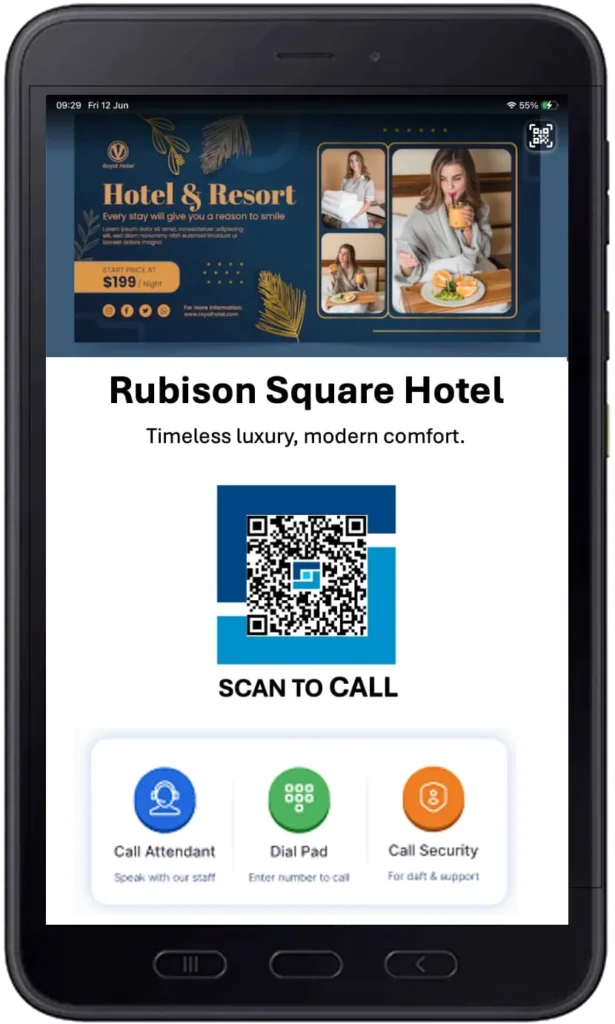

Unlike basic visitor-only communication systems, PINGPAD Standard introduces Internal Calling (Intercom)capabilities for staff, departments, and operational teams.
This enables direct internal communications for scenarios such as:
By consolidating visitor and internal communications into a single platform, operators reduce reliance on fragmented communication tools.
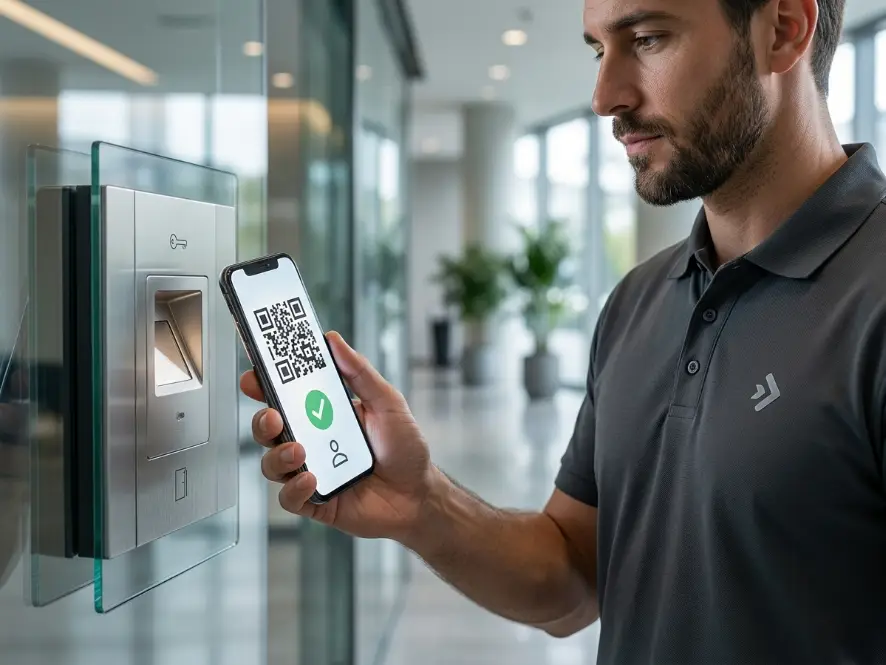
For properties requiring more structured visitor handling, Visitor Pass Management enables controlled guest access workflows beyond ad hoc resident unlocks.
Authorized users or staff may pre-authorize visitor access by issuing digital visitor passes that can be associated with approved access windows, visitor identity, and designated access permissions.
This is particularly useful for:
Where integrated access control infrastructure is available, visitor passes may facilitate streamlined entry while preserving audit visibility and access governance.

With Call Routing Dispatch, visitor calls do not need to rely solely on direct resident response.
Instead, incoming calls may be routed to a front desk attendant, concierge, centralized operator, or designated service team for handling before being forwarded to the intended resident or destination.
This enables workflows such as:
This creates a significantly more professional and controlled visitor experience, particularly in managed communities and larger residential environments.
With the Alert & Communications Center, operators can communicate efficiently with residents, tenants, or occupants through centralized announcements and alerts.
Use cases include:
This provides a modern communications channel that improves transparency, engagement, and operational responsiveness.


Properties with an existing Property Management System (PMS) can integrate directly with the PINGPAD platform through API-based onboarding or CSV import workflows. This enables seamless tenant activation without manual administrative intervention.
As a result of PMS integration, every tenant will receive a Welcome email message with instructions for downloading, installing and claiming assigned extension account.
PINGPAD Standard transforms traditional intercom and access systems into a unified operational platform for managed residential environments.
For professional operators, the result is:
PINGPAD Standard is particularly well suited for operators seeking a professional, scalable alternative to fragmented visitor access, communication, and operational coordination systems.